
Skip to content
Product / Integrations

Keep each system authoritative. Connect only what improves the stay.

Tamaga can provide an owned Drupal-native direct-booking foundation or work around the PMS, booking engine, channel manager, RMS and payment provider the hotel already uses. Integration starts by naming who owns each fact, decision and write.
Choose how Tamaga begins

Begin with an owned foundation or the stack already transacting the stay.

Tamaga-native foundation

An owned Drupal-native direct-booking foundation for a property without an established booking engine, or one deliberately choosing a Tamaga-owned path.

  • Provides: A Drupal-owned hotel model, guest path, Room Fit, governed requests, Host Attention, and optional CRM, Guest Memory, and House-scoped intelligence layers.
  • Keeps authoritative: Selected reservation, payment and distribution providers retain their assigned transaction boundaries.
  • Production boundary: The public Demo stops before real reservation placement and payment.
See how the product works

Connected Tamaga

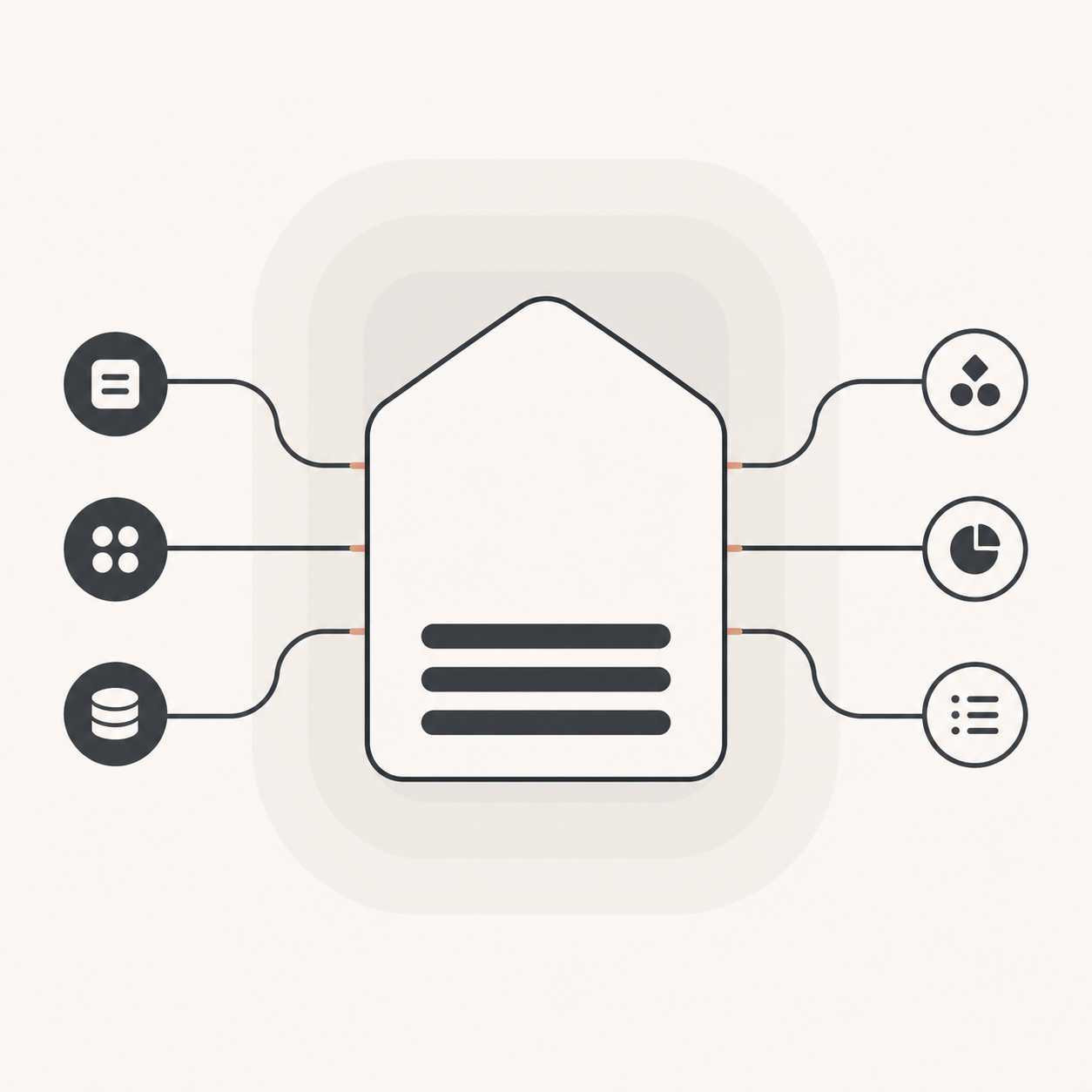
A governed hotel-knowledge and request layer around transactional systems the property already trusts.

  • Provides: Governed hotel meaning, guest context, visible requests, Host Attention, representation evidence, and optional CRM, Guest Memory, and House-scoped intelligence layers.
  • Keeps authoritative: The PMS, booking engine, channel manager, RMS and payment provider retain the functions they own.
  • Production boundary: Connections are limited to the smallest evidenced read, write or handoff.
Establish the authority boundary

Name who owns the fact, decision and write before choosing how to connect it.

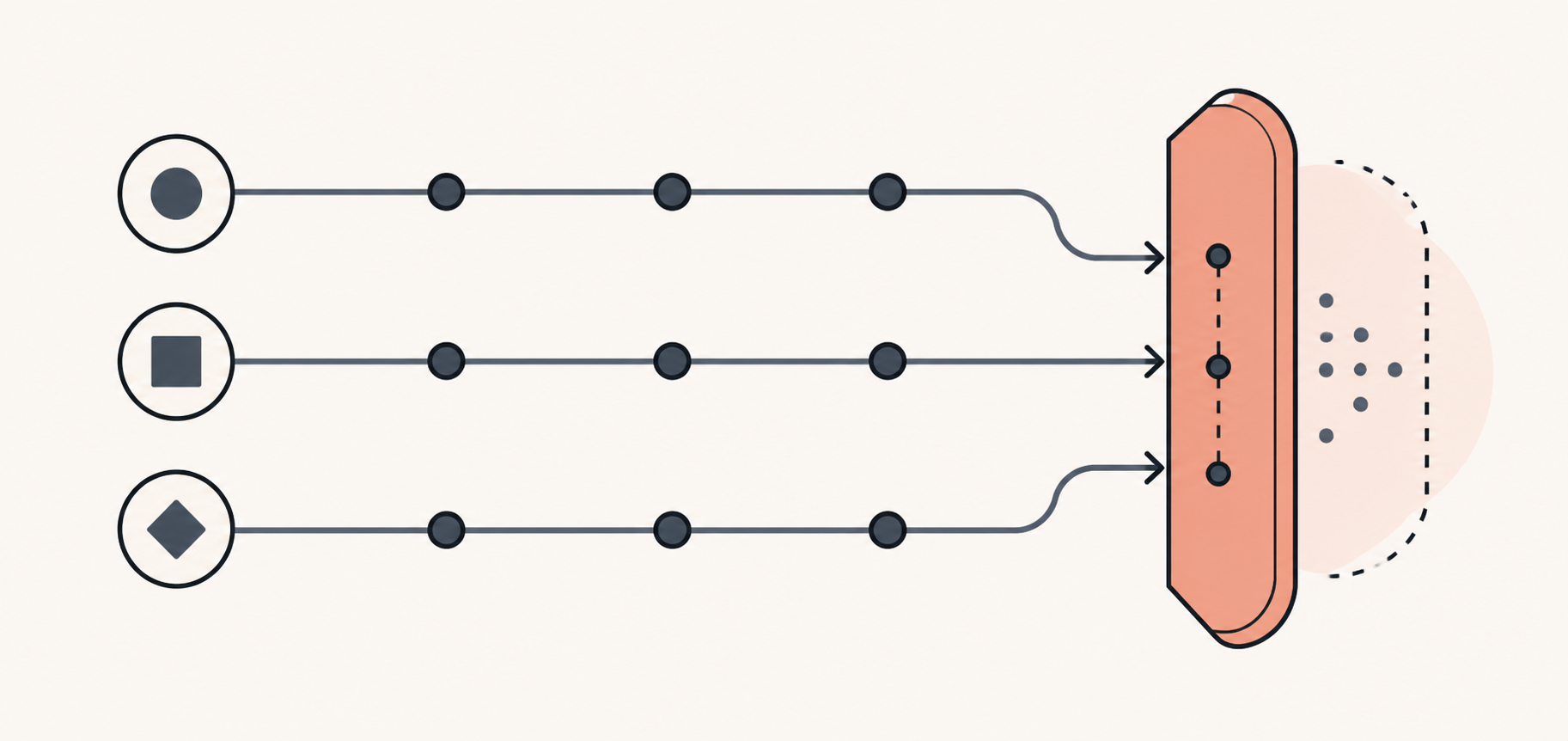
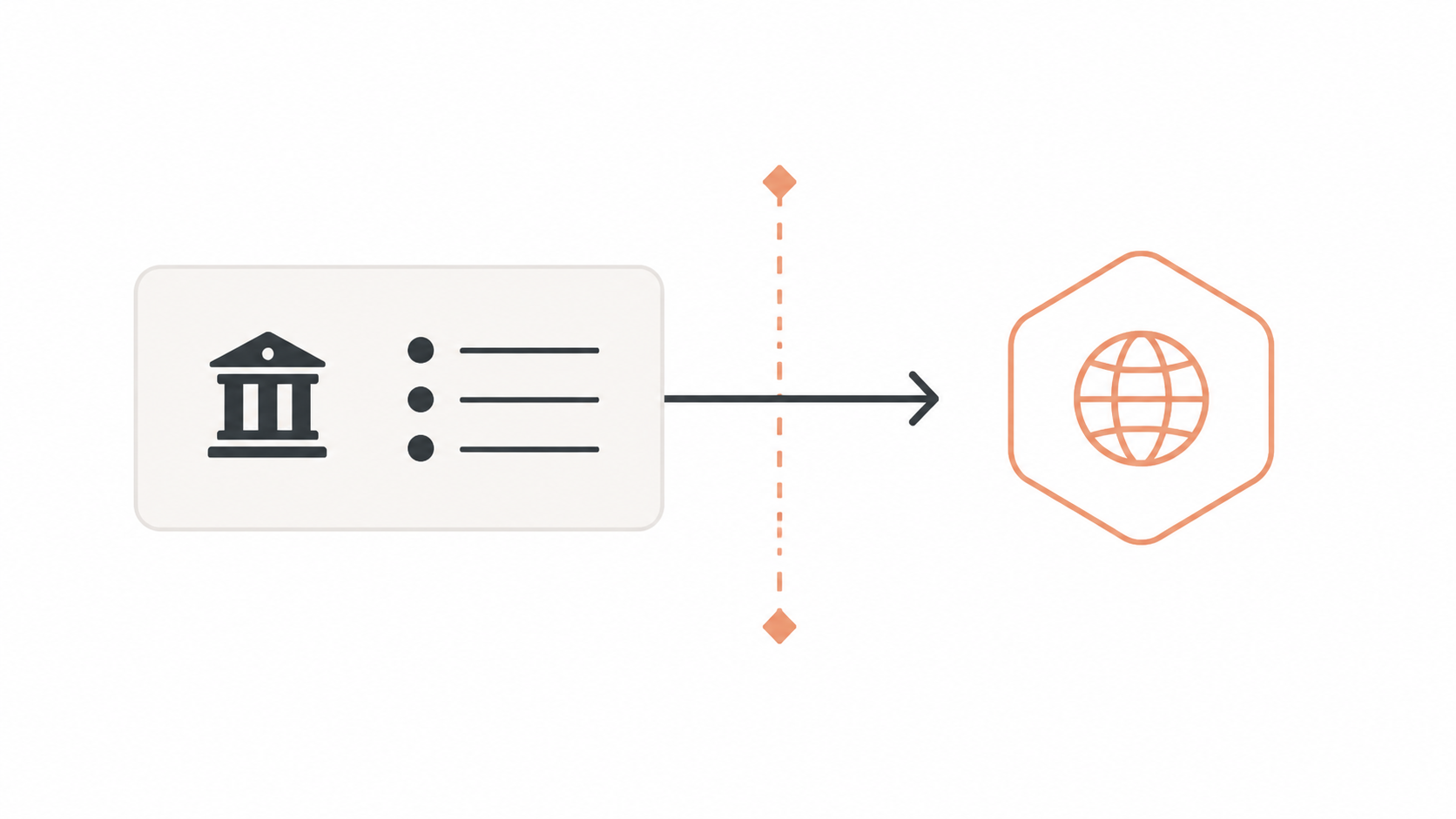
Three territories show who transacts, where consequential meaning is governed, and where a guest or host decides. Only systems a property actually uses belong in the detailed ownership reference below.
transact

External reservation authority

  • Availability and rates
  • Reservation state
  • Payment and settlement
Keep meaning

Governed House Record

Tamaga governs consequential room meaning without becoming the transaction ledger.

  • Conditions and limitations
  • Room Fit reasoning
  • Sources, owners, review state
decide

Guest and host action

  • Understand the stay
  • Request and confirm
  • Inspect and resolve

One owner per consequential fact.

Availability, meaning, reservation state and settlement each retain a named authority.

No silent authority fallback.

Missing, stale or unavailable state becomes visible instead of being replaced with an unsupported answer.

Every handoff leaves inspectable evidence.

Guest context, responsible ownership and the external outcome remain available for resolution and review.

Optional product layers

Connect records without collapsing their authority.

CRM bridge

The bridge is asynchronous and failure-isolated: a CRM failure cannot break authoritative booking. Ambiguous identity requires an operator link rather than a silent merge.

Guest Memory

Guest Memory serves operational purpose only. There is no automatic promotion or cross-House portability; missing or stale scope fails closed.

Tamaga Intelligence

Tamaga Intelligence reads public House claims, partitions by House before ranking, rejects stale or unpublished claims at read time, and demotes safely on provider or model drift with no silent failover.

One connected journey

Keep transaction authority visible from decision to later inspection.

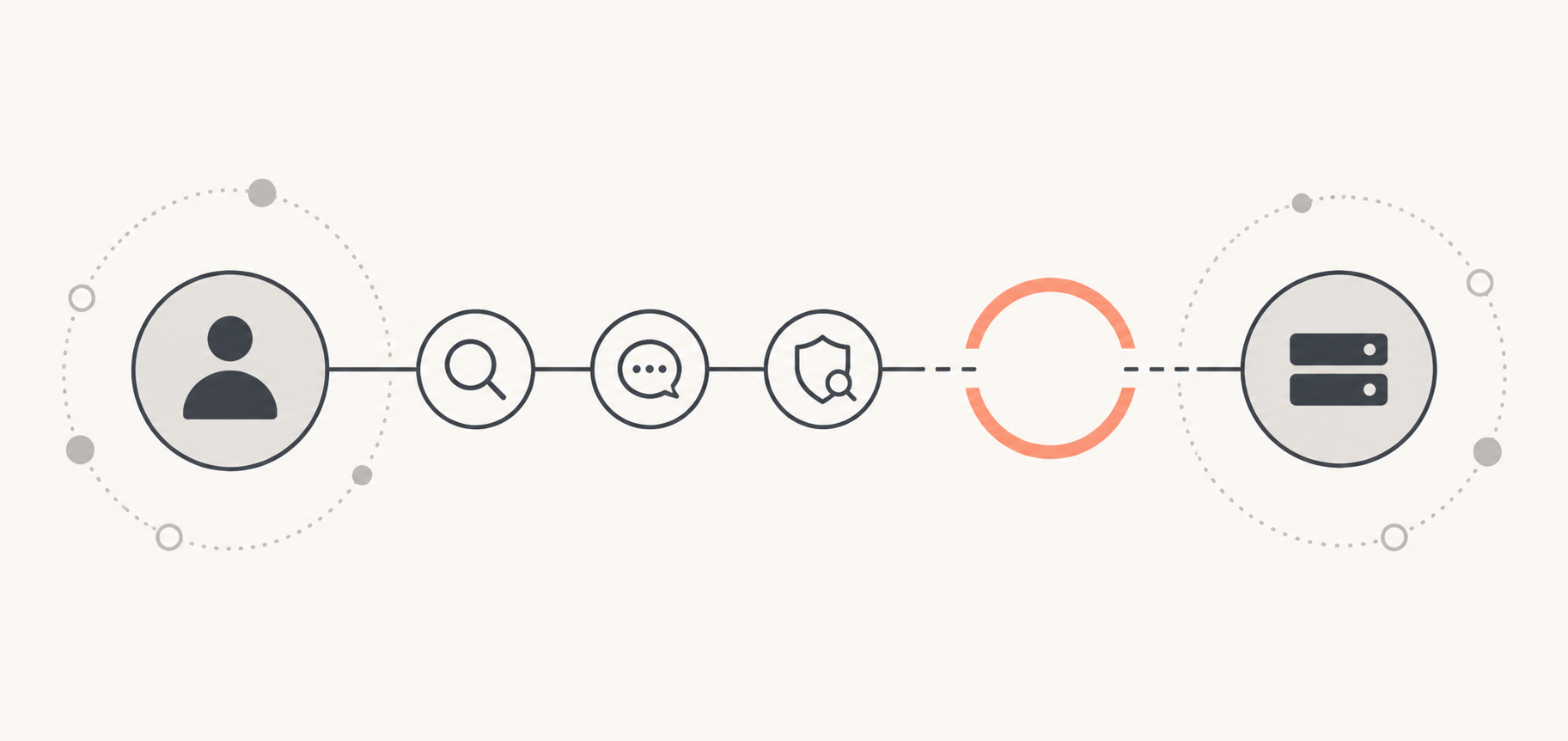
The guest decision happens in Tamaga, an external system transacts, and the consequential condition remains available for resolution and inspection.
  1. Tamaga context

    1. Decide in Tamaga

    Guest sees Room Fit, limits, and a conditional request path.

  2. External authority

    2. Transact externally

    The booking authority owns availability, reservation state, and payment.

  3. Human resolution

    3. Preserve and resolve

    Tamaga keeps the condition legible for the guest, host, and later inspection.

Passing context is not transaction success.

A deep link is not reservation confirmation.

Returning a reference is not universal write-back.

External failure cannot be displayed as success.

Implementation reference

Choose the narrowest evidenced connection for the property’s real stack.

Technical detail remains available without competing with the authority model and connected stay.

Complete authority reference

Only systems a property actually uses belong in this ownership map.

ConcernDefault authorityTamaga relationship
Room meaning, fit and limitationsTamaga House RecordGoverns and projects
Rates, restrictions and live availabilityPMS, CRS or booking engineReads or references
Reservation statePMS, CRS or booking engineSynchronizes or hands off when evidenced
OTA inventory distributionChannel managerDoes not duplicate distribution
Pricing recommendationsRMSMay receive or preserve context; does not silently override
Payment authorization and settlementPayment providerHands off and records safe reference state
Stay-specific conditional requestTamaga workflowPreserves state and ownership
Consequential confirmationResponsible humanExposes the action and outcome
Accounting, POS, housekeeping and specialist operationsExisting specialist systemRemains outside Tamaga unless narrowly integrated
Contact identityDrupal CRMNever silently matched or merged; ambiguous identity requires operator review
Reservation and stay stateSource PMS, Commerce, or BEERemains authoritative while Tamaga projects minimal hospitality context
Stay and contact associationTamaga CRMLinks context without becoming reservation authority
Reusable operational preferenceGuest MemoryHouse-scoped, explicitly established, and applicability-derived
Public knowledge answerHouse Record and Answer PolicyAI provider is expression, never authority
Marketing consentPurpose- and channel-specific consent recordRemains separate from operational use and is never inferred

Common stack patterns

Tamaga-native direct booking
Authority retained
Tamaga owns the hotel model and guest path; selected production providers retain their assigned transaction boundaries.
Tamaga adds
One governed Drupal foundation for room meaning, fit, conditions, requests and Host Attention.
Safest start
Define the property’s reservation, payment and distribution boundary.
Access boundary
Property operating decisions and provider access are required before production release.
PMS-led all-in-one suite
Authority retained
The suite retains live availability, rates, reservation state and the functions it already transacts.
Tamaga adds
Governed room meaning, guest context, request state and accountable human attention.
Safest start
Begin with the smallest read or handoff around one consequential promise.
Access boundary
Property and vendor access determine whether the boundary can be live, exported or manual.
Modular PMS + booking engine + channel manager
Authority retained
Each system keeps its documented reservation, booking and distribution responsibility.
Tamaga adds
A House Record and guest-to-host context that survive movement between those systems.
Safest start
Map one room, rate or request identifier across the necessary handoff.
Access boundary
Stable identifiers and access to each relevant contract are required.
PMS + channel manager + RMS
Authority retained
The PMS, channel manager, RMS and specialist systems retain their distinct operational decisions.
Tamaga adds
Governed meaning and decision context without silently overriding pricing or specialist state.
Safest start
Start read only around the decision whose context is being lost.
Access boundary
Vendor access and an explicit ownership map are required before any write.
Limited-access or manual stack
Authority retained
Existing records and responsible people remain authoritative.
Tamaga adds
A reviewed knowledge layer, visible request state and controlled human handoff.
Safest start
Use reviewed export/import or a documented manual handoff.
Access boundary
If vendor access is unavailable, the dependency is documented rather than replaced with an invented connector.

Connection methods

Use the narrowest connection that makes the next guest or host decision safer.

01

API or webhook

Use a stable read or write contract with explicit retries, idempotency and reconciliation.

Selected only when access and failure behavior are evidenced.

02

Reviewed export/import

Use a reviewed batch boundary when real-time access is unavailable or unnecessary.

Useful for staged migration, governed refresh or read-only proof.

03

Prefilled deep link

Carry context into the system that owns the consequential action without claiming completion.

A handoff, not reservation confirmation.

04

Embedded flow

Keep the decision close to the guest journey while the embedded system remains authoritative.

Requires a deliberately scoped transaction and failure contract.

05

Controlled human handoff

Make the responsible human step visible when a safe technical connection is unavailable.

Valid for pilots, exceptions and limited-access stacks.

Connect honestly, fail visibly.

A safe handoff is better than a false success.

Unavailable read

Show clearly labelled last-known state or block the action.

Unavailable write

Use read-only mode or hand off.

Unknown transaction result

Require reconciliation.

Missing room or rate mapping

Fail closed.

Stale authority

Make no new consequential projection.

Vendor access unavailable

Document the dependency rather than inventing an integration.

Ambiguous contact identity

Require an operator link; do not merge contacts silently.

CRM synchronization unavailable

Preserve the authoritative booking and reconcile the context later.

Guest Memory scope or review unavailable

Do not apply the memory.

Intelligence qualification or provider drift

Use deterministic fallback, demotion, or temporary unavailability; never fail over silently.

Describe only the evidenced scope.

Tamaga does not currently publish a universal connector catalogue.

A status describes one evidenced scope. It never implies support for every property, workflow or vendor version.

Production
Operating live within one evidenced contract and verified failure boundary.
Pilot
Evaluated within named scope, review and rollback conditions.
Adapter available
A reusable technical adapter exists; the property connection still requires validation.
Custom connection
A deliberately scoped implementation is required for the property or vendor.
Handoff
Tamaga carries context to the system or person that owns the action.
Read only
Tamaga can inspect or explain state without changing the source system.
Vendor access required
Progress depends on vendor-held access, approval or contract.
Continue the mesh

Follow the next useful relationship.

Start with the real stack

Connect the smallest boundary that resolves one consequential problem.

Show Tamaga the systems, ownership boundaries and guest promise involved. The first step is to decide what should remain authoritative, rather than replace everything.